


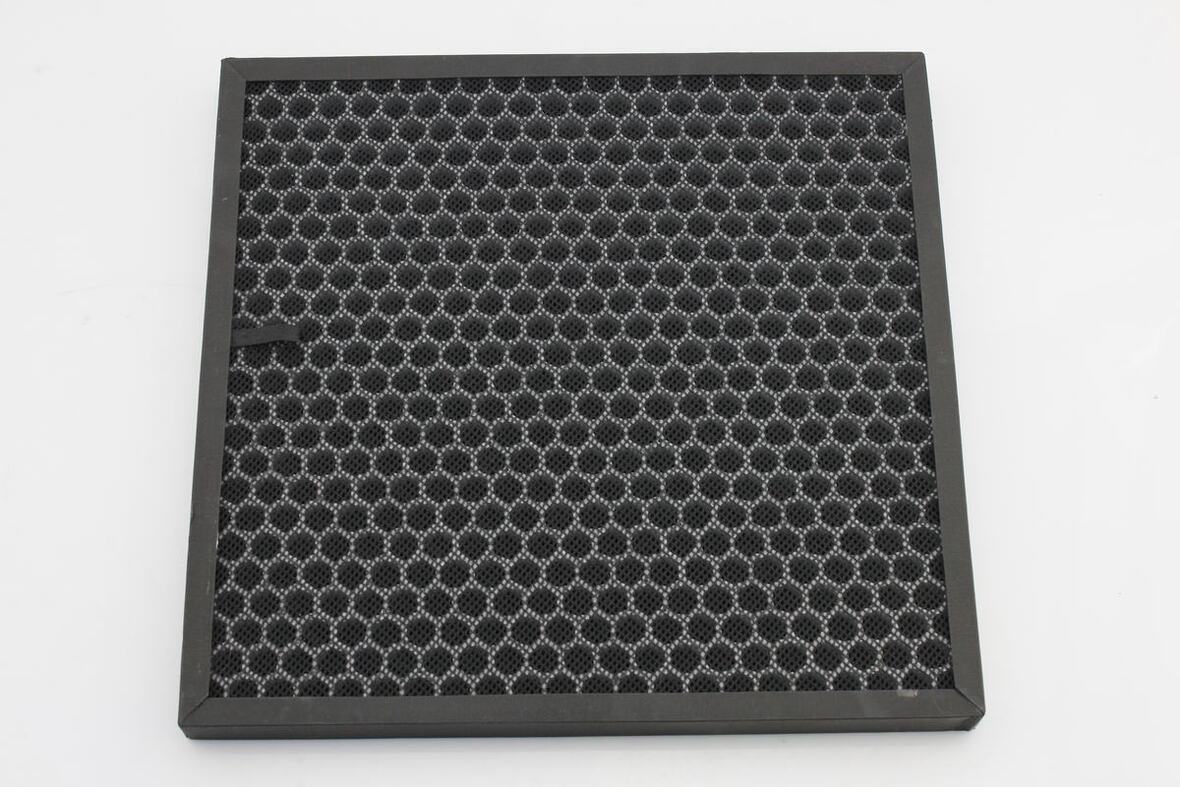
Detailed Explanation of HEPA Filters: Become an Expert After Reading
Whether we are purchasing air purifiers or fresh air systems, we often hear merchants mention “HEPA filters,” yet many people still do not understand what HEPA filters are, only knowing that they are “high-efficiency filters.” Today, the editor from Shiyang Electromechanical will talk with you about HEPA filters and see what exactly they are.
What is a HEPA filter?
HEPA filters, also known as High-Efficiency Particulate Air filters, are made from polypropylene or other composite materials. HEPA filters are internationally recognized as the best high-efficiency filtration materials, originally used in nuclear energy research for protection, and now widely used in precision laboratories, pharmaceutical production, atomic research, and surgical operations that require high cleanliness.
Working Principle of HEPA Filters
HEPA filters filter through four mechanisms: interception, gravity, airflow, and van der Waals forces.
1. The interception mechanism is commonly understood as a sieve; generally, larger particles of 5μm or 10μm are intercepted and “screened” out.
2. Smaller, denser dust particles decrease in speed due to the influence of gravity when passing through the HEPA filter, naturally settling on the HEPA filter much like sediments settling at the bottom of a river.
3. Uneven weaving of the filter creates numerous air vortices, where small particles are adsorbed onto the HEPA filter due to the airflow spirals.
4. Ultrafine particles undergo Brownian motion and collide with the HEPA fiber layer, being purified under the influence of van der Waals forces. For instance, virus carriers that are below 0.3μm are purified under these forces.